Staying in Patong? Book your condo direct & save
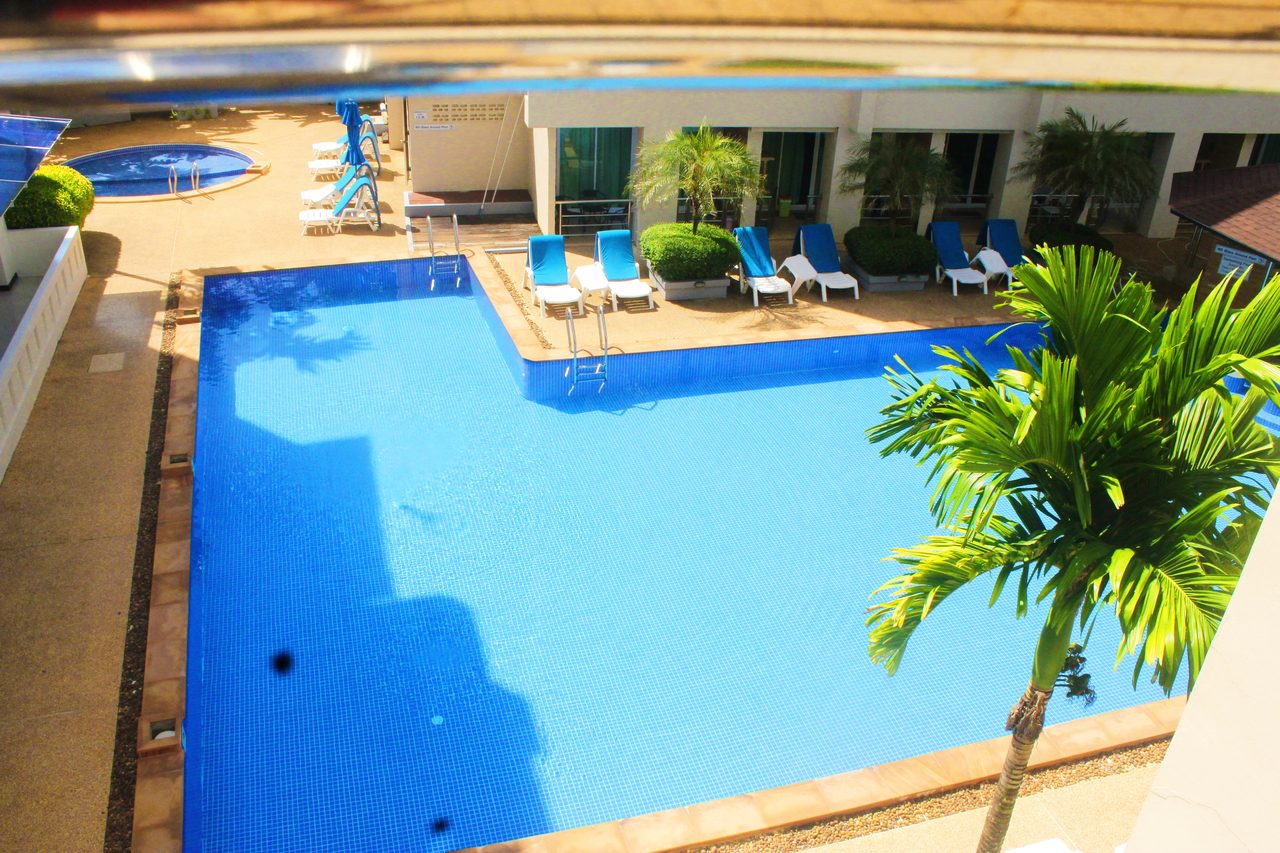
Furnished condos at Patong Harbor View — pool, gym, minutes from the beach. No middleman fees when you book direct.
See the condos →People remember Phuket meals long after they forget the flight home. That is not an accident. This island has been a trading port for centuries — Hokkien Chinese, Malay, Thai, Indian and Baba-Peranakan kitchens have been borrowing from each other here for generations — and the result is a food scene with its own dishes, its own breakfast habits and its own rules. You can eat very well in Phuket by simply following the crowds, but you will eat even better if you know the nine experiences below. None of them needs a big budget or a special occasion. All of them are better the longer you stay, because you start to have favorites.
How Phuket Eats: A Day in Five Acts
First, understand the rhythm. Phuket starts early and eats early: old coffee shops and dim sum steamers are busy before the beaches wake up. Late morning belongs to noodle shops and rice-and-curry counters, where office workers and market traders take a fast, serious lunch. The afternoon is for snacks — roti, sweets, iced coffee, a plate of something fried from a cart. Evenings split two ways: family seafood dinners and night markets on one side, and the whole spectrum of restaurants, from plastic-stool local places to smart dining rooms, on the other. Late at night, the noodle and rice-soup stalls take over again.
Two words will help everywhere. Pet means spicy — and in the south, spicy means it. Mai pet means not spicy, and pet nit noi means just a little. Learn those, smile, point at what the next table is having, and you will be fine in almost any shop on the island.
🏝️ Book direct & save 20% → www.phvcondo.com
The 9 Experiences
1. Dim sum breakfast in Phuket Old Town
Start where Phuket starts: a marble-topped table in an old kopitiam, bamboo steamers arriving in small stacks, and strong sweet coffee or tea to wash it down. Dim sum here is a morning institution, inherited from the island's Hokkien tin-mining families. Go early, order more than you think you need, share everything, and watch the town wake up around you. It is the best possible first morning of a trip — and long-stayers keep going back every week.

O-Tao — oysters, taro and egg, fried together — is one of Old Town's signature plates. If you see it on a menu, order it.
2. Hokkien mee — the noodle dish Phuket calls its own
Every food town has one dish that belongs to it alone, and in Phuket it is Hokkien mee: yellow noodles stir-fried in a dark, savory broth with prawns, pork, fish cake and greens, finished with a raw egg yolk stirred through at the table and a squeeze of lime. Add the local o-tao (above) and a bowl of pork-rib soup and you have the classic Old Town lunch trilogy. These are working people's dishes, cooked fast over fierce heat, and they taste like nowhere else in Thailand.
3. A night market graze
Phuket's night markets are dinner and entertainment in one. The big weekend markets — Naka Market by Central Festival and the Sunday Walking Street on Thalang Road in Old Town — are the headline acts, with Chillva Market's weeknight energy and Patong's Malin Plaza as handy local options. The method matters more than the venue: walk the whole market once without buying, note the stalls with queues, then circle back and graze — grilled skewers, mango sticky rice, coconut ice cream, roti, fresh juice, something you cannot identify and try anyway. Small notes, empty stomach, no plan: that is the correct equipment.

A Phuket night market at full stretch — dinner, shopping and people-watching, all in one walk.
4. Southern Thai curry — carefully
Southern cooking is Thailand's boldest: turmeric-yellow gaeng som (a sour, fiery curry with fish), rich coconut curries, stir-fries heavy with peppercorns and wild herbs, and dried shrimp and chili relishes that clear your sinuses. It is wonderful, and it respects nobody. Order one southern dish alongside gentler plates, keep rice and water close, and build up over days. By the end of a long stay, many visitors find the southern table is the one they dream about.
5. Seafood, the Rawai way
At the island's southern tip, Rawai's seafront works on a lovely system: buy your fish, prawns, crab or shellfish from the sea gypsy market stalls along the beach road, then carry it across to one of the restaurants opposite and have them cook it your way — grilled, steamed with lime, fried with garlic, or in a tom yum. You choose the catch, you choose the cooking, and dinner comes with a sea view and fishing boats for a backdrop. Arrive before sunset for the full effect.

Goong pao — big prawns, simply grilled — is the dish to order when the seafood is this fresh.
6. Roti and teh tarik for supper
Phuket's Muslim food culture is one of its quiet strengths. Look for the roti shops in the morning and again late in the evening: flaky flatbreads slapped and griddled to order, served sweet with banana and condensed milk or savory with curry, alongside pulled teh tarik tea and, at the best places, slow-cooked biryanis and goat curry. It is inexpensive, welcoming, and a reminder that this island's table has many traditions at it.
7. Old Town sweets and Baba-Peranakan bites
Between the shophouses of Old Town you will find a sweet tradition all its own — colorful Peranakan desserts, coconut puddings, shaved-ice bowls, pineapple tarts and old bakeries that have served the same families for decades. The Sunday Walking Street is the easiest way to sample a dozen in one evening, but the little daytime shops reward a slower wander. Save room: in Old Town, dessert is not an afterthought, it is a course.
8. A beach dinner with your feet in the sand
At least once, eat where the table stands on sand. Along Kamala, Bang Tao, Kata and Patong itself, beachside restaurants set out tables in the evening for grilled fish, morning glory in garlic, papaya salad and a cold drink while the light goes. It does not need to be fancy — in fact, the simpler places usually get it most right. Time it for sunset, order the whole grilled fish to share, and let dinner take as long as it takes.
9. A market tour or cooking class
The experience that changes all the others: spend a morning in a fresh market with a local cook, learn what galangal actually looks like, why there are three kinds of basil, and how a curry paste is pounded — then cook lunch yourself. Classes run all over the island and suit total beginners. Long-stayers rate this the single best food money they spent, because every market visit afterwards makes more sense.
A Perfect Phuket Food Day
- 7:30 AM: Dim sum and kopi in Old Town, then a slow walk past the shophouses while it is still cool.
- 12:30 PM: Hokkien mee and o-tao at a busy Old Town noodle shop — whatever is fullest.
- 4:00 PM: Roti and iced tea for the afternoon slump, or a coconut ice cream at the beach.
- 6:30 PM: Sunset seafood at Rawai, or a beach-table dinner on the west coast.
- 8:30 PM: Night market graze for dessert and snacks to take home.
Five Simple Rules for Eating Well Here
- Busy is the review that matters. A full shop with a fast turnover beats any rating app — join the queue.
- Say your spice level out loud, every time. Southern kitchens default to hot.
- Carry small cash. Markets and small shops run on it, and it keeps the line moving.
- Drink sealed bottled water, and do not fear the ice — the tube-shaped factory ice in drinks is made from purified water.
- Try one new thing a day. A month in Phuket is thirty new dishes. That is the real souvenir.
Phuket rewards hungry people. Work through this list at your own pace — one experience a day is a fine schedule — and by the end of your stay you will not just have eaten well. You will have eaten like you live here, which, around a Phuket table, is the whole idea.
About Jay & Scott — Jay and Scott are travelers and writers living in Thailand. We enjoy traveling around Thailand — the food, the beaches, the small towns — and writing about it as we go. Back home in Phuket we run Patong Harbor View Condominium, our long-stay home base in Patong. Have a look at the video tours, then come stay a while: www.phvcondo.com.


No comments:
Post a Comment